On Monday the City Council unanimously approved the following Council Order, co-sponsored by Mayor Denise Simmons and Vice-Mayor Marc McGovern.
WHEREAS: At 17 acres, Magazine Beach Park is Cambridge’s second largest park and centrally located, beside the BU Bridge and along the Charles River; and
WHEREAS: The park has been a favorite picnicking and swimming destination for Cambridge families for over 100 years; and
WHEREAS: The park is the only stretch on the Cambridge side of the river that has the space to offer recreation, family gatherings and nature, that has the potential of becoming a destination; and
WHEREAS: Both the State and City have designated it as such in their 2001 Master Plan of the Charles River Basin and 2011 Cambridge Riverfront Plan: Reconnecting People to the Water; and
WHEREAS: The park badly needs renovation with its broken picnic tables and benches, a broken wading pool, no play features, sunken pavement, and many dead or dying trees; and
WHEREAS: Landscape architects Crosby Schlessinger Smallridge have almost completed the design for the western part of the park (Phase II); and
WHEREAS: The Massachusetts Department of Recreation and Conservation (DCR), the guardians of this park (that Cambridge created!), lack the capital to make all of the necessary improvements to the park; and
WHEREAS: Over the past few years, working collaboratively, the City, State and community have successfully restored the historic 1818 Powder magazine; and
WHEREAS: The City has already invested $1.5 million into the renovation of the playing fields and exercise area in the eastern part of the park (Phase I); and
WHEREAS: The Magazine Beach Committee of the Cambridgeport Neighborhood Association (CNA) is committed to continuing to advocate for the park, to raise funds to renovate it, and to organize summer programs for the enrichment of local children and families; now therefore be it
ORDERED: That the City of Cambridge partner with DCR and the CNA to revitalize Magazine Beach; and be if further
ORDERED: That the City make a substantial investment in Phase II improvements and explore with DCR the possibility of maintaining the park; and be it further
ORDERED: That the City Manager report back to the Council on this matter.
Approved 24 April 2017





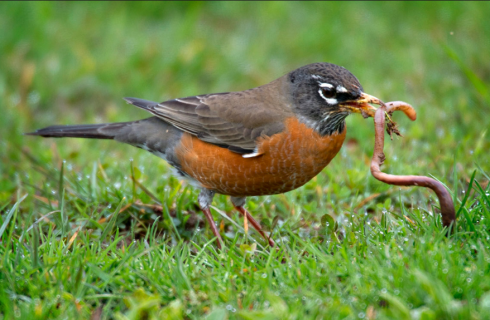 So far, spring has been cool and wet, but birds are easy to find at MB. Who is back? Red-wing blackbirds, Crows and Robins. Earlier this week I estimated 300 robins were hunting worms on the lawns. If the lawns look a bit torn up this is because they have thoroughly aerated the grass while removing the worms. Male Redwing Blackbirds claim territory in the hedge for nesting when the females return. MB’s riverfront location makes it appealing to shorebirds- Killdeer, American Woodcocks, and Snipes are using their long bills to remove insects from the moist leaf litter on the ground. Duck are swimming by, often in pairs, looking for places they might nest. In addition to the usual Mallards, Ring Necked Ducks with purple heads and rings on their bills (not their necks), and Hooded Mergansers with crests like large white sails outlined in black swim by. Double crested cormorants fly through and will shortly perch in groups on the floating orange stanchions across the river. Gold finches flit through in groups. Song sparrows give daily concerts. From here through May it only gets better.