Archive by Author

60 Volunteers Transform the Park

11 Nov
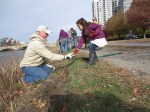
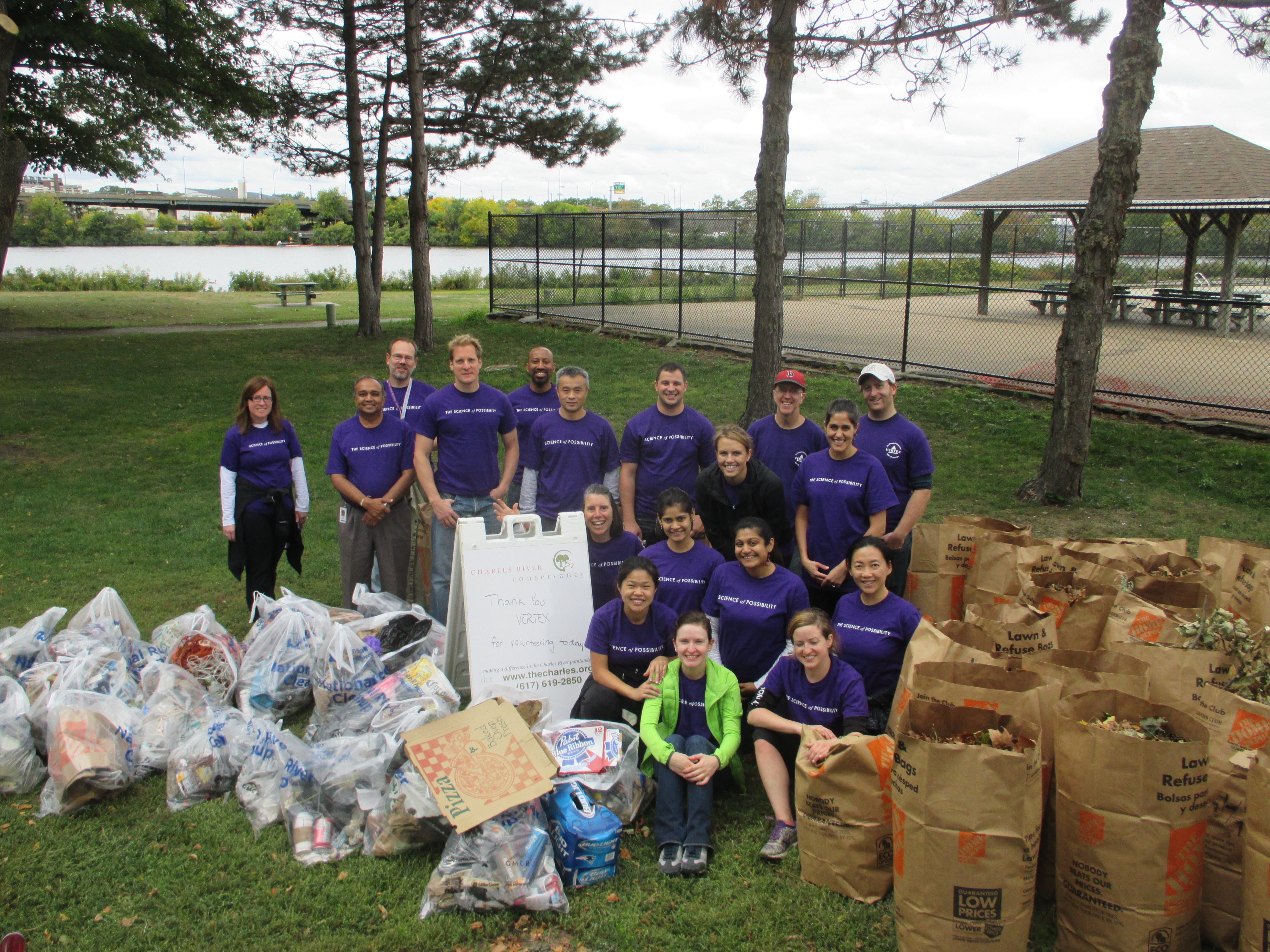
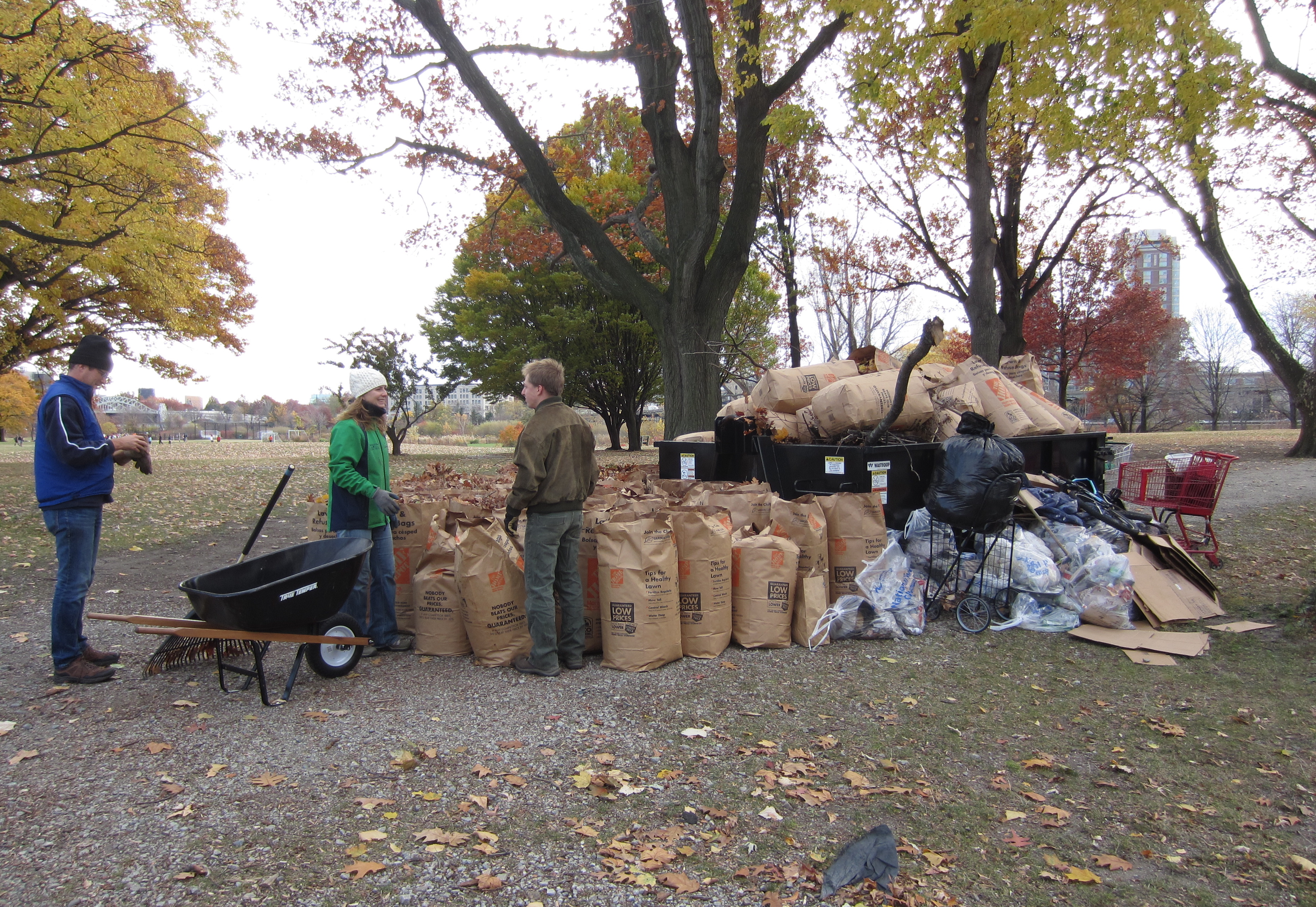
The Charles River Conservancy's Danielle Stehlik and volunteer Sam counting the bags.

The Charles River Conservancy’s Danielle Stehlik and volunteers with our haul.

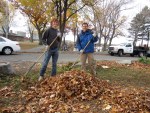
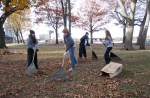
Many thanks to the 60 volunteers who came out into the cold on Saturday to rake leaves, pick up trash, remove graffiti and plant bulbs. We gathered over 160 bags of leaves, over 3o bags of trash, and many twigs and branches. The place is looking great for our BIG event this coming Thursday at 10am, when DCR will announce their match of City and community funds to stabilize the powder magazine. Volunteers from Sanofi, BU, CRLS, Riverside Boat Club and the neighborhood  made the difference!

Earlier in the week, DCR removed the broken play structure from the park. It looks SO MUCH better now!

IMG_4337

Park Cleanup this Saturday!

7 Nov
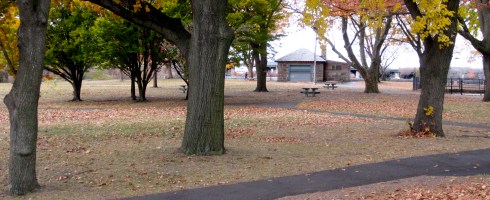
Notice what's missing... the broken play structure. Thanks DCR!

Notice what’s missing… the broken play structure. Thank you, DCR!

Come join us this Saturday, Nov. 9, 9am-12noon for our 10th joint CNA, CRC and Riverside Boat Club cleanup of Magazine Beach. Sanofi will join us this year, too! Rakes, bags, work gloves, brownies and water will all be found at the parking crescent (at the bottom of Magazine Street). We will be raking leaves, picking up trash and planting bulbs. See you there!

To sign-up, contact the Charles River Conservancy’s Danielle Stehlik at dms@thecharles.org.

Fabulous Tour of Cottage Farm CSO Treatment Plant

22 Oct
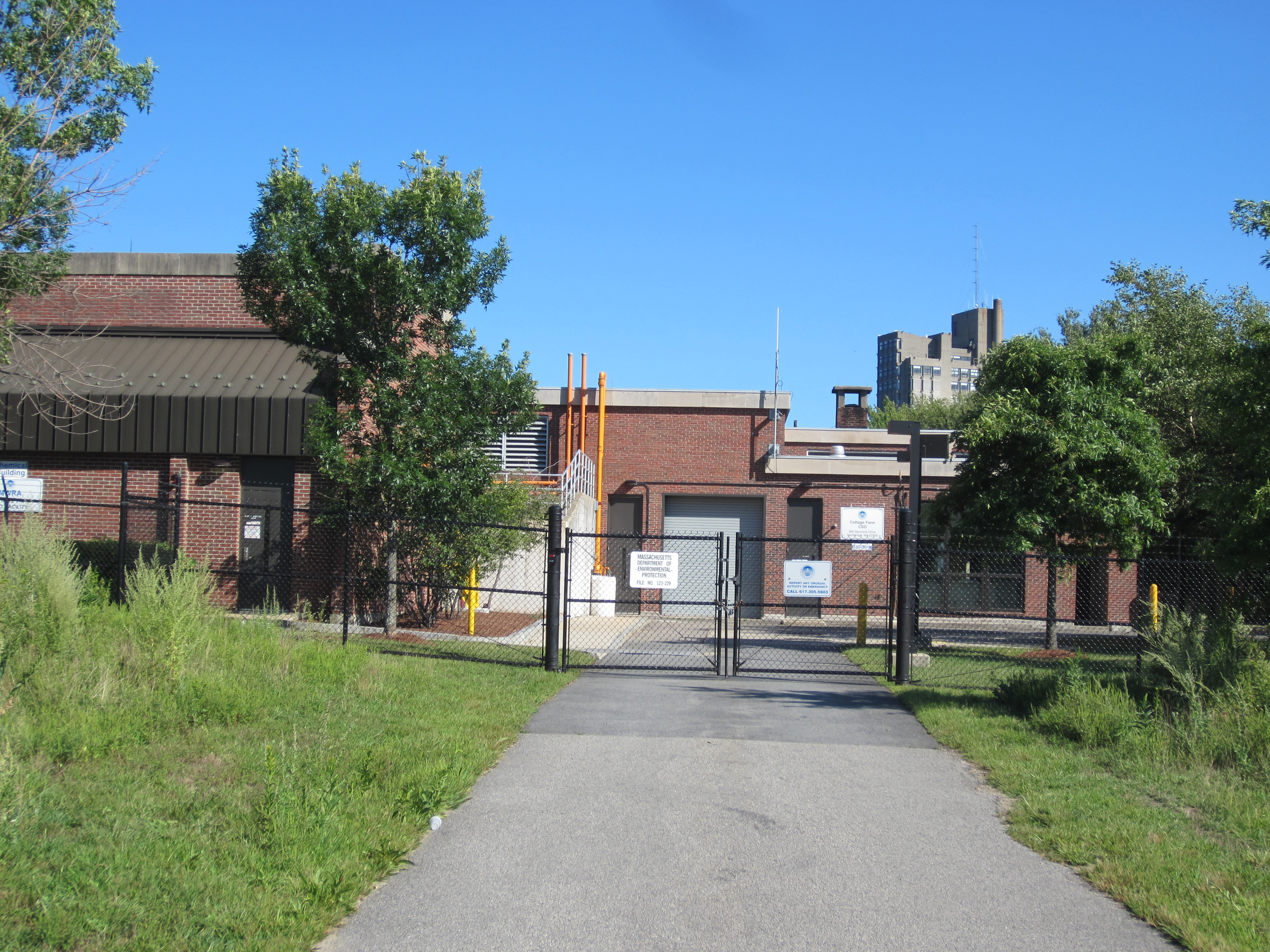
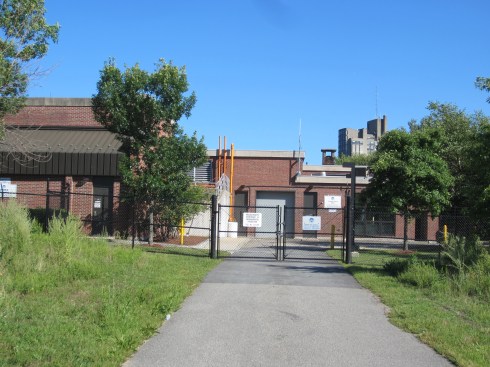
The Cottage Farm Combined Sewer Overflow Treatment Plant at Magazine Beach
The Cottage Farm Combined Sewer Overflow Treatment Plant at Magazine Beach

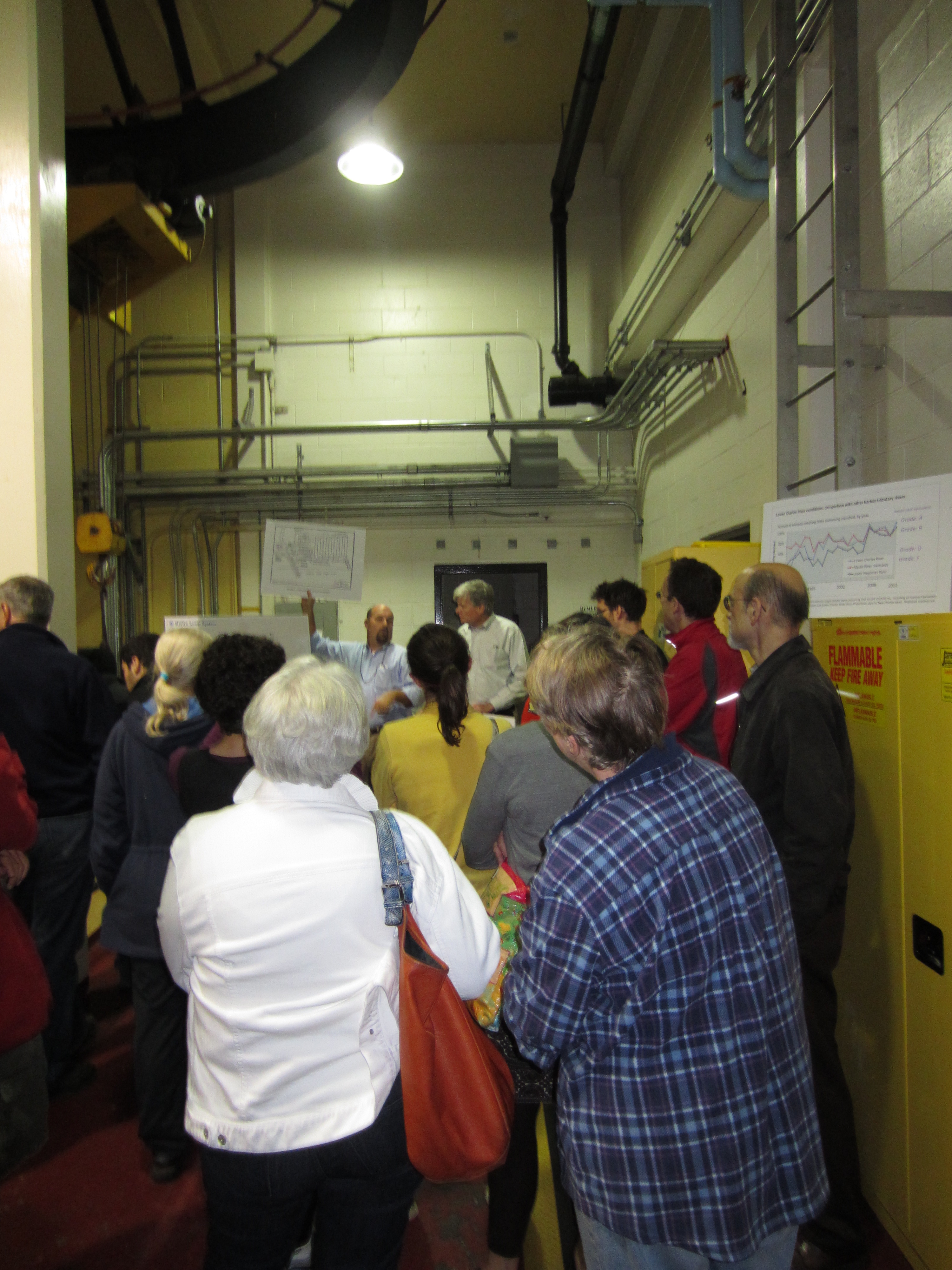
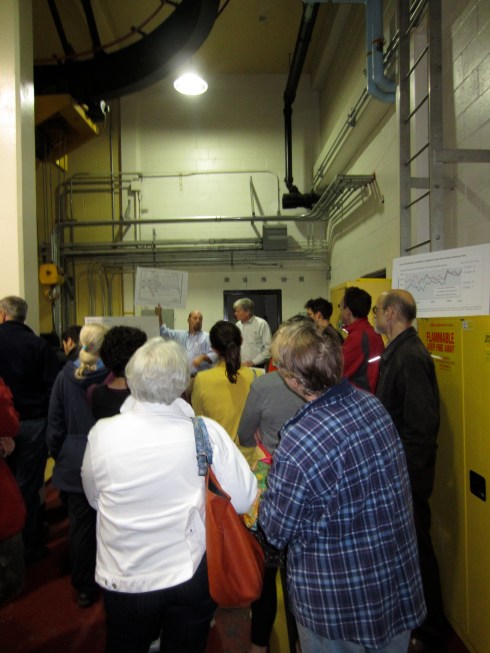
22  Cambridgeport residents, CWRA and Mystic Watershed staff and MIT students toured the Cottage Farm Facility last Thursday night.

22 Cambridgeport residents, CWRA and Mystic Watershed staff and MIT students toured the Cottage Farm Facility last Thursday night.

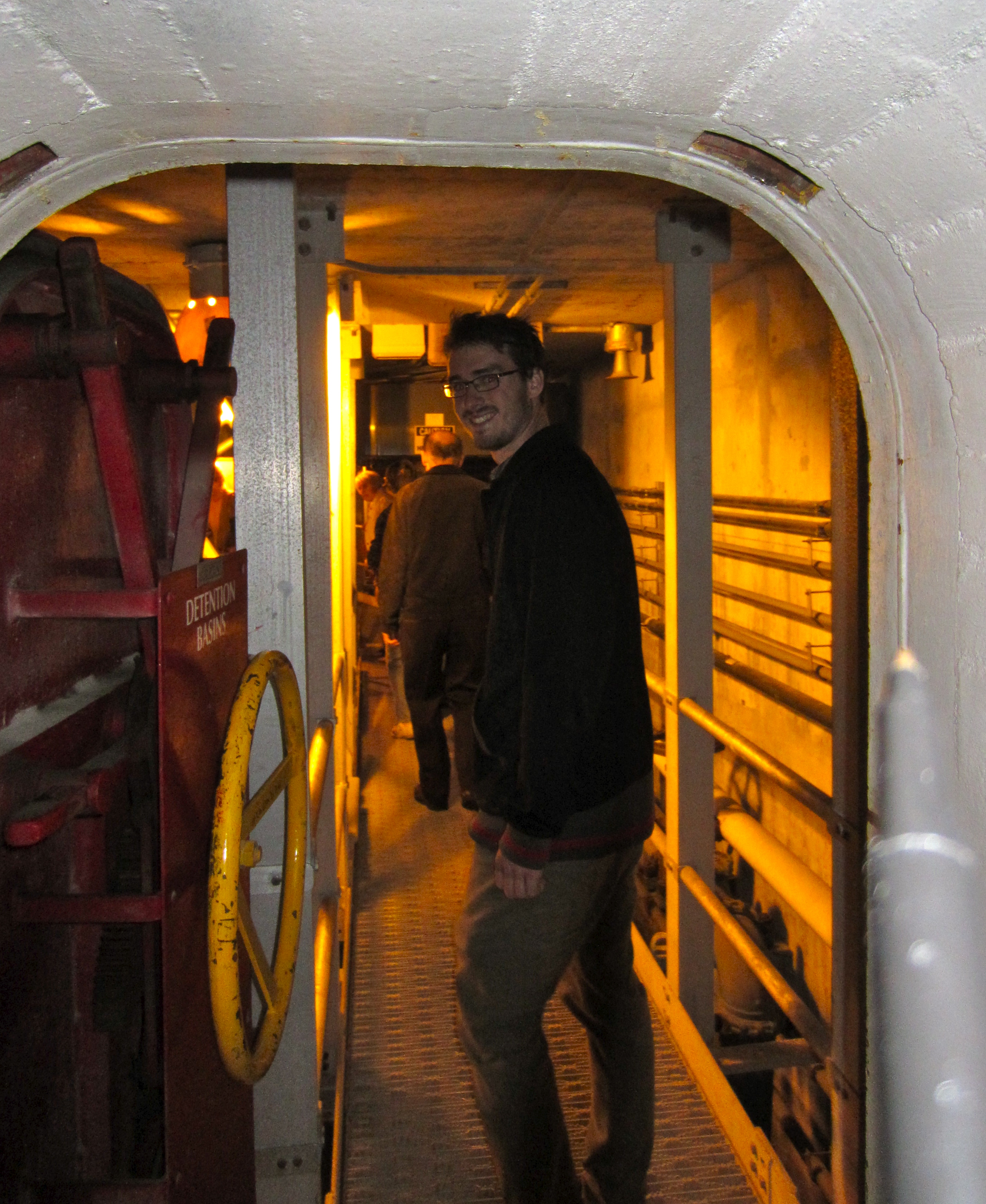
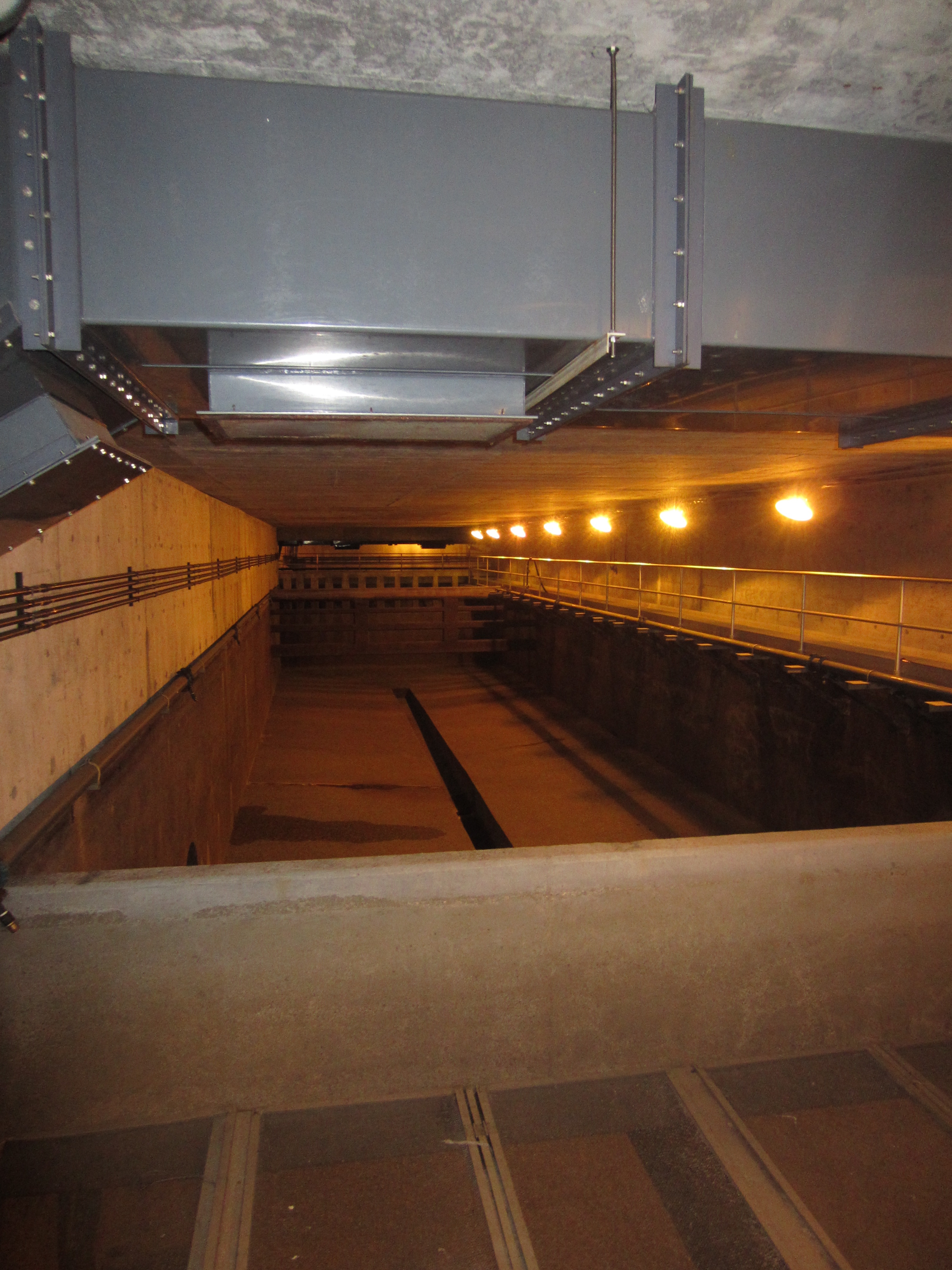
Exploring the underworld at our Magazine Beach.

Exploring the underworld at our Magazine Beach.

MWRA Executive Director Fred Laskey and Director of Wastewater Operations and Maintenance Stephen Cullen led us to the underworld of Magazine Beach last night with a tour of the Cottage Farm Combined Sewer Overflow (CSO) Treatment Plant. Who would have known that we had modern Roman catacombs/cisterns (only with a wastewater focus) just down that street? In what appears to be a compact brick building, lies room after room of engines, pumps, screening mechanisms, and stormwater holding areas, all designed to prevent a mixture of sewage and stormwater from flowing into the Charles.

In much of Boston, Cambridge,  there is just one sewer pipe running down each street that is used for both the sanitary sewage from our houses and storm water from the street drains.  This is a combined sewer/storm water system.  Other towns have two sewer pipes on each street, one for sewage, the other for storm water.   Storm water flows can increase dramatically during a heavy rainstorm.  That happened in Cambridgeport in June of 2011 when 3 inches of rain fell in about 15 minutes, sending diluted sewage into a number of basements in the neighborhood.  In a two pipe system, the same thing could happen with the stormwater pipe, but the backup in our basements would be sewage free.

Built in the late 1960’s and brought on line in 1971, Cottage Farm is a Combined Sewer Overflow Treatment facility. It is designed to manage both sanitary waste (poop, etc.) and surface run-off from storms that arrives at the facility in two pipes—one from the North and another from the West.  Normally it then funnels under the Charles River to the Ward Street Headworks (near the MFA and Wentworth Institute) and then is pumped to Deer Island to be processed and released in the ocean—nine miles out.

During storms the flow can exceed the capacity of the very large pipes.  In the old days the excess flow was diverted into the Charles.  Now, up to 1.3 million gallons can be stored in the detention tanks in the Cottage Farm CSO facility.  It is pumped back into the pipes and on to Deer Island once the flows have gotten back to more normal levels.  Discharges to the Charles River occur only if the capacity of the detention tanks is exceeded.
Screening mechanisms remove debris big and small--boards, tires, and leaves--from the wastewater.

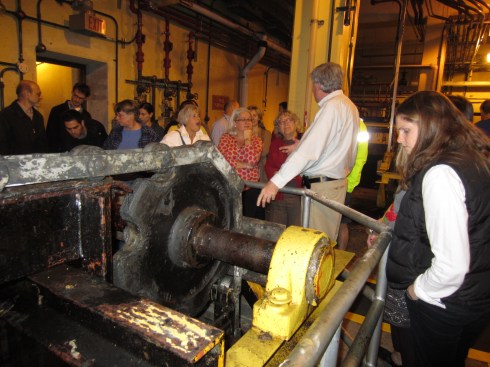
Screening mechanisms remove debris big and small–boards, tires, and leaves–from the wastewater.

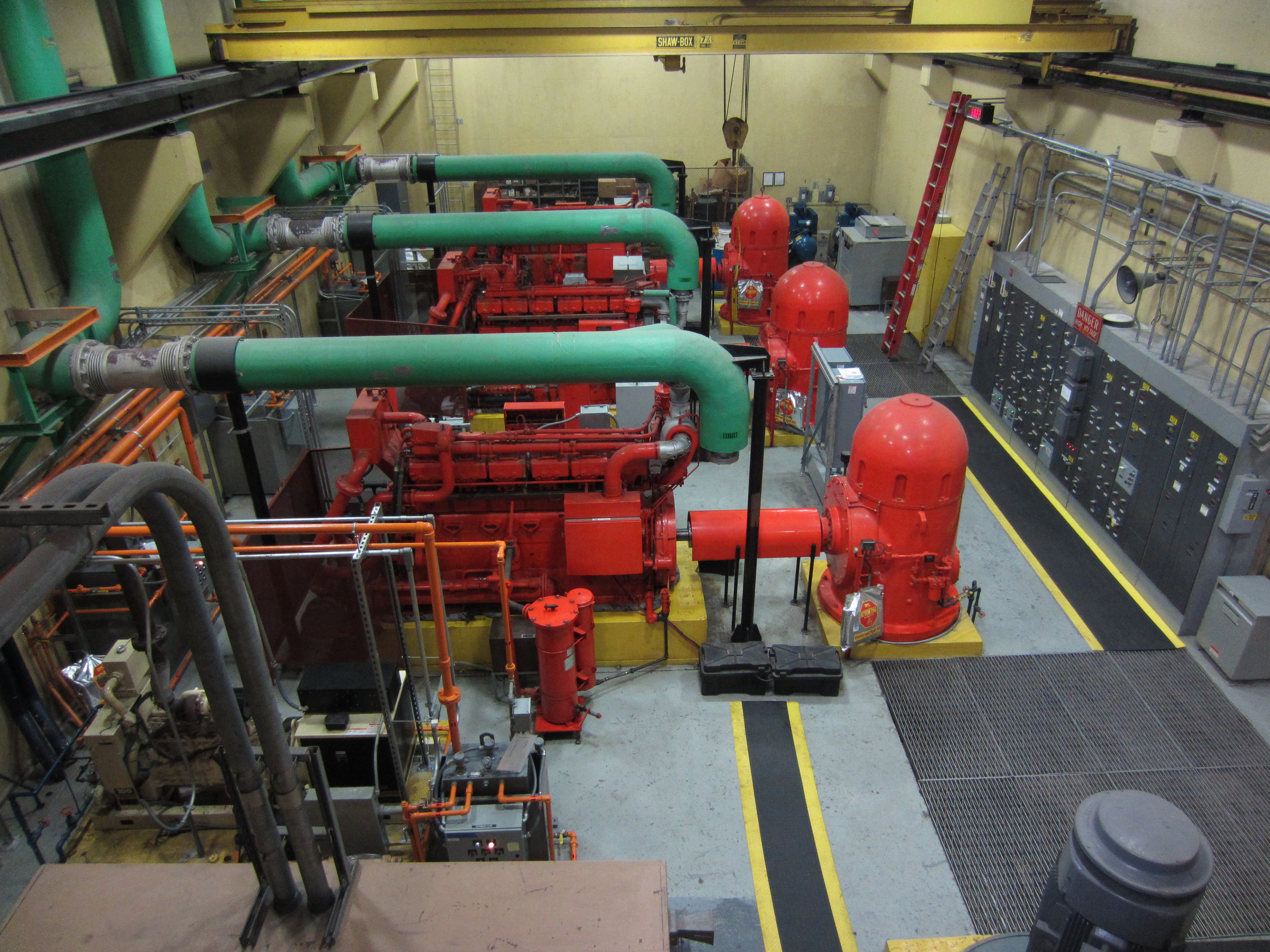
Diesel-powdered engines power the pumps, whether there is electricity or not.

Diesel-powdered engines power the pumps, whether there is electricity or not.

As the sewage comes into the plant it goes through a series of screens.  The first screen catches the big stuff–would you believe tires and 2×4’s?  Leaves are a big problem for a few weeks in October.  The smallest screen before water ends up in the Charles is a half of an inch.  The waste is chlorinated like a swimming pool to kill pathogens, and de-chlorinated to protect the aquatic life in the river before overflowing into the Charles.

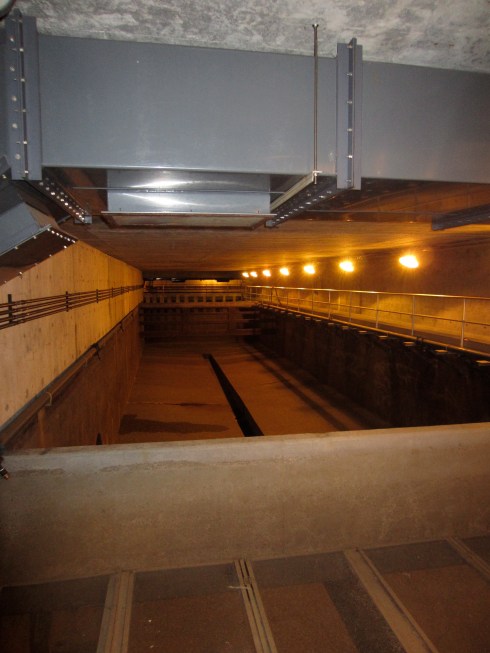
The wet well can hold about 100,000 gallons of water, awaiting chlorinating treatment.
The wet well can hold about 100,000 gallons of water, awaiting chlorinating treatment.

In case of a storm surge, 6 detention basins can hold up to 1.3 million gallons of wastewater.

In case of a storm surge, 6 detention basins can hold up to 1.3 million gallons of wastewater.

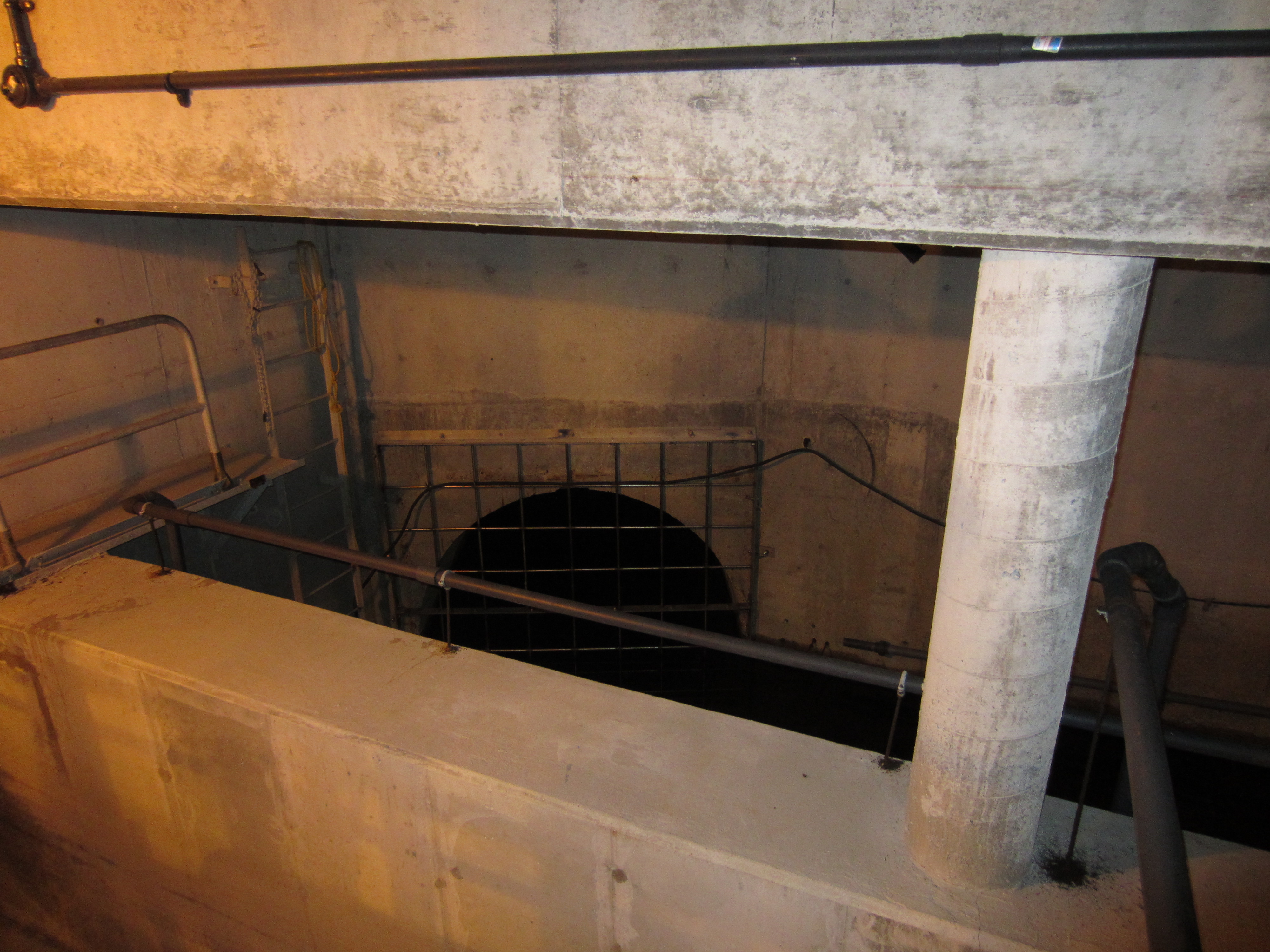
After screening, chlorinating and de-chlorinating, some treated wastewater is discharged to the Charles River. Note the "man catcher" screen.

After screening, chlorinating and de-chlorinating, some treated wastewater is discharged to the Charles River. Note the “man catcher” screen.

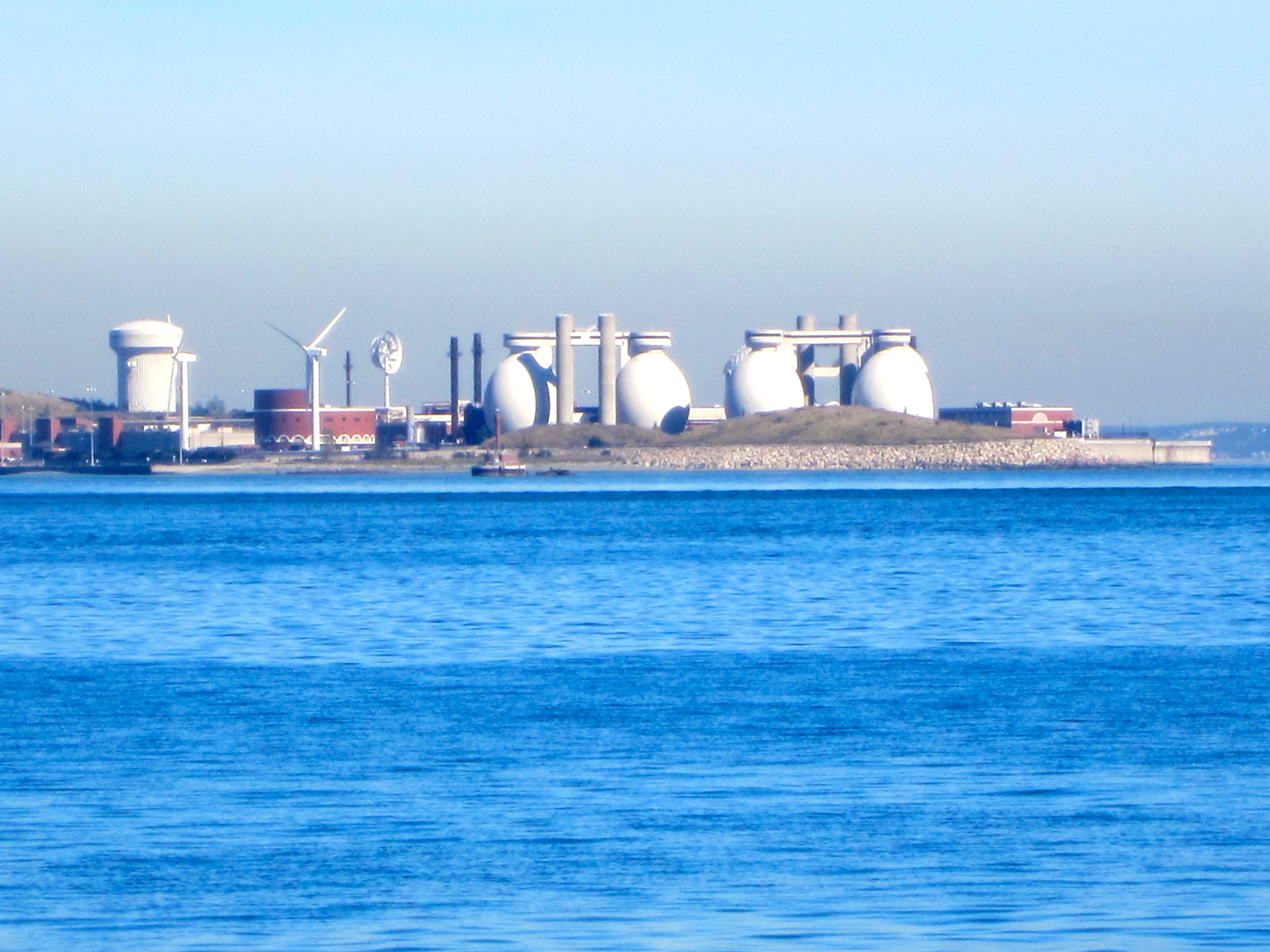
Preparing for climate change is a priority for the MWRA. The systems at Deer Island—the 2nd largest sewage treatment plant in the USA—were built elevated, in case the ocean rose. We were assured that Cottage Farm will operate whether or not there is flooding and electric power. They have emergency generators there and can run it remotely from Chelsea or a backup facility in Marlborough. Laskey proudly noted that the MWRA has one of the best water storage systems in the country. It is considered a model. I certainly felt reassured knowing that Laskey and Cullen were in charge—both are knowledgeable, passionate and committed to preserving our water quality.

The MWRA is responsible for providing clean water for over 61 communities in the greater Boston area.

The MWRA is responsible for providing clean water for over 61 communities in the greater Boston area.

Our next visit: Deer Isle  Wastewater Treatment Plant--where our sewage goes!

Our next visit: Deer Isle Wastewater Treatment Plant–where our sewage goes!

Note: The MWRA  was established by an act of the Legislature in 1984 to provide wholesale water and sewer services to 2.5 million people and more than 5,500 large industrial users in 61 metropolitan Boston communities and to comply with the Clean Water Act. The agency has cleaned up the Boston Harbor and modernized the region’s water systems.

For further info, see: http://www.mwra.state.ma.us/index.html

For a short history of our sewage system, see: http://www.mwra.state.ma.us/03sewer/html/sewhist.htm

For an illustration of a CSO, see: http://www.cityofbremerton.com/content/cso_csos.html


Many thanks to Stephen Cullen, Sarah Satterthwaite and Royce Buehler for their contributions to this post!
Gallery

Magazine Beach Activated!

19 Oct

This slideshow requires JavaScript.

It’s October and the Head of the Charles. Head to the River!

19 Oct

From Amanda Milad of Riverside Boat Club:

Riverside has 44 entries this weekend–ranging from single sculls to eights. Cambridgeport is an integral part of the regatta. The race starts at the BU boathouse and Magazine Beach serves as the launch site for the singles and doubles. Everyone is excited for a great weekend of racing!

This slideshow requires JavaScript.

Update:

Riverside won three gold medals, three silver and five bronze. This means that RBC had the second most top three finishes of any club and tied for third for the most golds. Way to go, Riverside!
 
Golds went to:
*Tina Vandersteel (Cambridgeport resident) in the Women’s Senior Master Singles
*Pete Morelli in the Men’s Master Singles
*Kevin McDonnell and Rob White in the Men’s Master Doubles


This slideshow requires JavaScript.


Tour of the Cottage Farm Combined Sewer Overflow Treatment Facility at Magazine Beach Thursday, Oct. 17 at 7pm

2 Oct
Building of mystery. Much of it is underground. Come explore it with us Oct. 17.

Building of mystery. Much of it is underground. Come explore it with us Oct. 17.

Ever wonder what happens to the water that runs into our sewers during heavy rains, or about where our sewage goes? Or did you ever wonder what goes on in the big brick building at Magazine Beach Park, just to the west of the BU Bridge?

Stephen Cullen, the Director of Wastewater Operations & Maintenance at the Massachusetts Water Resources Authority (MWRA) will lead a tour of the Cottage Farm Combined Sewer Overflow Treatment Facility at Magazine Beach on Thursday, Oct. 17th at 7 pm.  Not only will he tell you about the Cottage Farm facility, but also he’ll share an overview of recent water and sewer system-wide improvements and plans going forward.

To sign up for the tour, contact Cathie Zusy at cathzusy@gmail.com. Please wear comfortable, closed toe shoes.

Also, save the date: Saturday, November 9 (9-12 noon) for our next Magazine Beach Cleanup.

Vertex Volunteers Cleanup

28 Sep
Those wonderful Vertex volunteers.

Those wonderful Vertex volunteers.

18 Vertex employees did a day of service at Magazine Beach yesterday.  They picked up 37 bags of trash and 37 bags of compostables!  Vertex employees raked leaves, picked up sticks and garbage, and weeded the front garden beds.  Thank you, Vertex, and to Danielle Stehlik of the Charles River Conservancy for organizing this.

Take note: Our next community cleanup, with the Riverside Boat Club and the Charles River Conservancy, will be Saturday, Nov. 9, 9-12noon. Please save this date!  To sign up, contact Danielle at dms@thecharles.org.

The park looking great after the cleanup.

The park looking fabulous after the cleanup.

City Council Approves CPA Recommendation to Allocate $100,000 to the Powder Magazine

17 Sep

This slideshow requires JavaScript.

Last night the Cambridge City Council unanimously approved the CPA Committee’s recommendation to allocate $100,000 towards repair of the 1818 Powder Magazine at Magazine Beach. Stabilizing this building—restoring the roof, re-pointing the masonry, restoring the windows and doors, and adding security lighting—are essential next steps to prepare the building for its next use. In 1818 it was erected to store gunpowder safely, a half mile from settlement. In 1899 the Olmsted Brothers converted it into a bathhouse when bathers flocked to the Charles River to swim. Ideas for its next use include it becoming a concession and meeting area that is welcoming, celebrates Cambridge’s diversity, and that sells healthy, affordable food.

Cambridge Historical Commission Ex. Director Charles Sullivan said, “This is a major win for historic preservation in Cambridge.  The powder magazine is one of the oldest buildings on the Charles River Basin and, for decades, has begged for attention.”

In a June 20, 2013 letter to the CPA Committee, new DCR Commissioner Jack Murray, proposed to share the cost of stabilizing the structure with Cambridge. If the City contributed $100,000 towards this work, he promised to “provide the balance of funding” which is estimated at about $125,000.

This is huge news and will make the revitalization of Magazine Beach Park possible. Thanks to all of you who have contributed to this effort! For further information, see: http://www.cctvcambridge.org/PowderHouse

The Powder Magazine as it could be. Rendering by Max  Moore, Architect

The Powder Magazine as it could be. Rendering by Max Moore, Architect

Finding Beauty in Our Own Backyard

9 Sep

This slideshow requires JavaScript.

Saturday’s bird watching and foraging tour was a mediation of sorts. Janet Crystal and David Craft helped us to slow down and observe all that was there—the beauty, abundance, resilience and mystery of nature—in our urban park. While the birds were elusive, hidden in the trees and brush, the wild plants were ever present. Thank you to Janet and David for opening up our eyes to the beauty and wonder around us. For more about local wild plants, see David Craft’s Urban Foraging, available on Amazon. For a fuller description of our morning, see Mary Holbrow’s: http://www.cctvcambridge.org/MagazineBeachWalk

Here is what we saw or heard. A visual catalog of some of our sightings follows.

Birds:

  • American Goldfinch, Black-capped Chickadee, Gray Catbird, House Sparrow, Mallard (female), Red-tailed Hawk and Song Sparrow

Plants: Asiatic dayflower, aster, black-eyed susan, burdock, cattail, chicory, clematis, goldenrod, hibiscus, Japanese knotweed, jewelweed, milkweed, mugwort, Joe Pye weed, lady’s thumb, phragmite, purple loosestrife, ragweed and tansey


Riverside Rowers Bring Home Gold and Silver from World Championships!

4 Sep

RBC's Lauren Schmetterling won gold in the women's eight

RBC’s Lauren Schmetterling won gold in the women’s eight.

Fresh from Chungju, South Korea:  Happy to report that Riverside members had some great success at the World Championships! Both the women’s eight, Lauren Schmetterling and Meg Musnicki won gold, and Emily Huelskamp also won a gold medal in the women’s four. Hillary Saegar won a silver medal in the women’s lighweight quad.

It was a very exciting week for the USA and for Riverside (and for Cambridgeport!). We are so proud of our athletes! –Amanda Milad, RBC

RBC's Emily Huelskamp and Hilary Saegar. Emily won a gold in the women's four. Hilary won silver in the women's lightweight quad.

RBC’s Emily Huelskamp and Hilary Saegar. Emily won a gold in the women’s four. Hilary won silver in the women’s lightweight quad.